
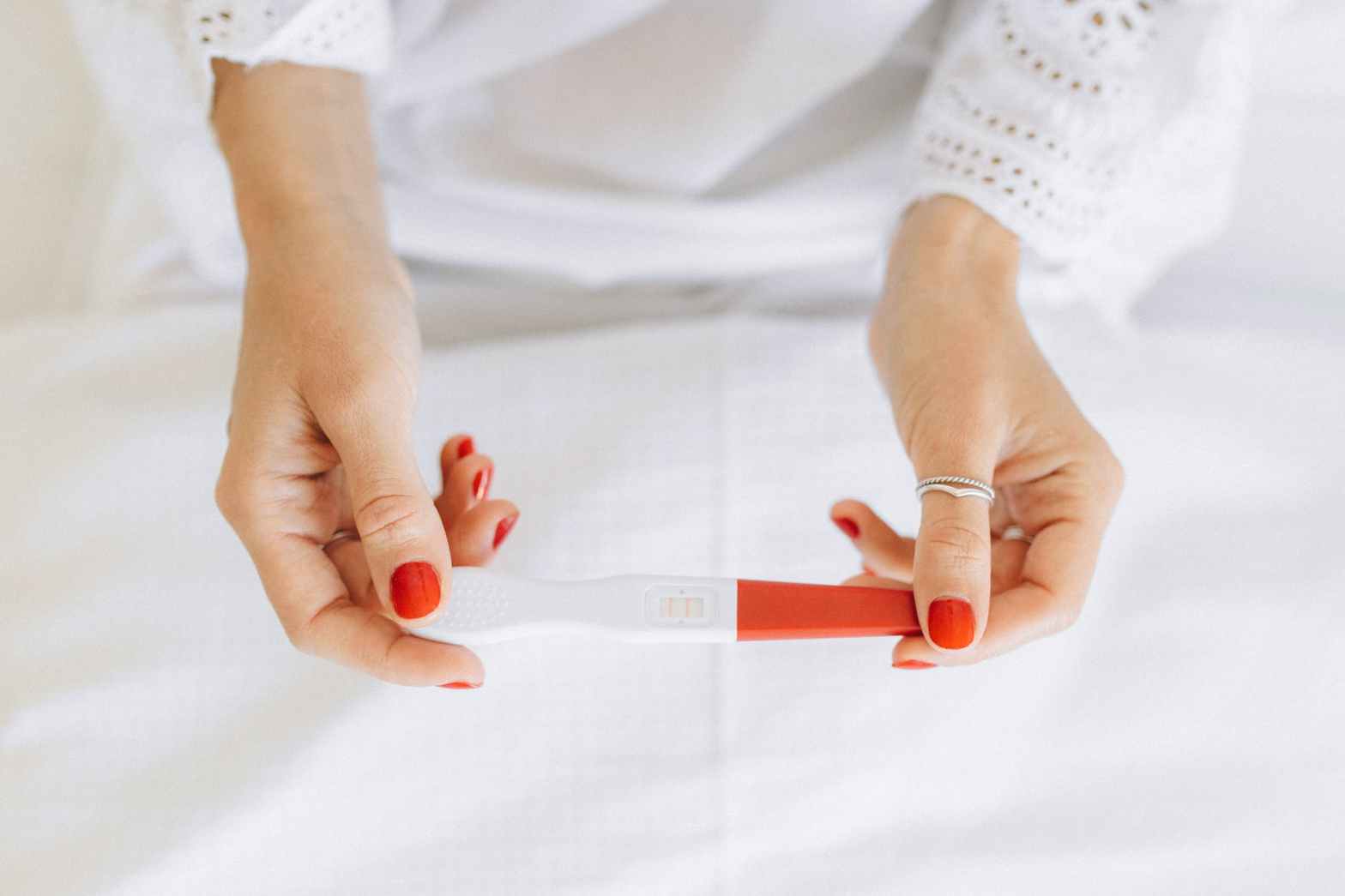
Are you currently trying for your next baby?
You may be wondering if there is anything you can do to increase your chances of getting pregnant again.
When it comes to falling pregnant, there are many factors that contribute to finally falling pregnant. A regular cycle, confirming you’re ovulating, healthy sperm and healthy eggs are all key.
And yes, you’ll also need to think about the two week wait – from the time of natural conception or frozen embryo transfer (FET), until the hCG hormones rise enough to give you that POSITIVE pregnancy test.

This is when implantation happens.
Let’s have a quick recap before we dive into the nutrition side of things.
When the sperm and the egg meet and join, it takes about two weeks for the fertilised egg to travel down the fallopian tube and into the uterus. The fertilised egg (called a blastocyst) implants into the endometrial lining of the uterus and results in pregnancy.
The dreaded two week wait can feel like forever, and it’s often during this time you’re wanting to do anything in your control to help improve your chances of falling pregnant.
Whether you’re trying to conceive naturally or with IVF, here are five things you can focus on to take back some control to prepare your body for bub number two (or your next one!).
Vitamin B6
We know hormones are important for growth and vitamin B6 plays a key role here. It plays a role in making progesterone, a key fertility hormone (1), which is responsible for thickening the endometrium and promoting implantation of the embryo (2). In fact, women who had higher levels of Vitamin B6 had improved fertility outcomes. (3).
Vitamin B6 is a B-group vitamin that is found in animal meats, fruits and vegetables, as well as fortified breakfast cereals (4).
Other rich sources of Vitamin B6 include:
- Vegetables including Chickpeas, Eggplant and Cucumber
- Lean Meat and Poultry such as Veal, Pork and Chicken
- Fish including Trout and Salmon
- Grains such as Quinoa and Amaranth and Fortified Breakfast Cereals
- Herbs and Spices like Rosemary and Paprika
While enough B6 is important, too much can have negative side effects (5). You definitely do not want to be taking too much in supplement form. To know your individual requirements for B6 and to make sure you’re not getting too much in your prenatals, book your with one of our dietitians for your individual food and supplement plan.
Omega-3
Another nutrient that is key for implantation and supporting growth (especially during the two week wait) are omega-3 fatty acids which reduce inflammation, improve egg quality and enhance implantation rates (6). A 2018 study of women undergoing Assisted Reproductive Technology (ART) treatments found that omega-3 levels were associated with a greater chance of falling pregnant and live birth outcomes (more babies born!) (6).

Here are some foods to include in your diet to boost your levels of Omega-3:
- Fish including Trout, Salmon, Tuna and Mackerel
- Seafood such as Prawns, Oysters and Crab
- Seaweed or Nori
- Chia Seeds and Linseeds (although, our body doesn’t absorb as much from these)
And remember, if you’re not having 2-3 servings of oily fish per week, you’ll have a higher risk of omega-3 deficiency.
Finding this helpful? You may also like this.
Gestational Diabetes – how do I reduce my risk of getting it again?
Soy
There has been some controversy around soy and its effects on women’s health – but what are the facts?
The truth is, soy is a perfectly healthy food to include in your diet, and it has even been proven to be beneficial for fertility! A study from 2015 showed that women who consumed soy foods had higher rates of pregnancy, fertilisation and live births when undergoing assisted fertility treatments (7). This is thought to be due to the oestrogenic effect of soy that thickens the endometrial lining, which supports implantation.
Try including tofu, tempeh, edamame and dairy alternatives such as soy milks and yoghurt to add more soy foods to your diet!
Nitric Oxide
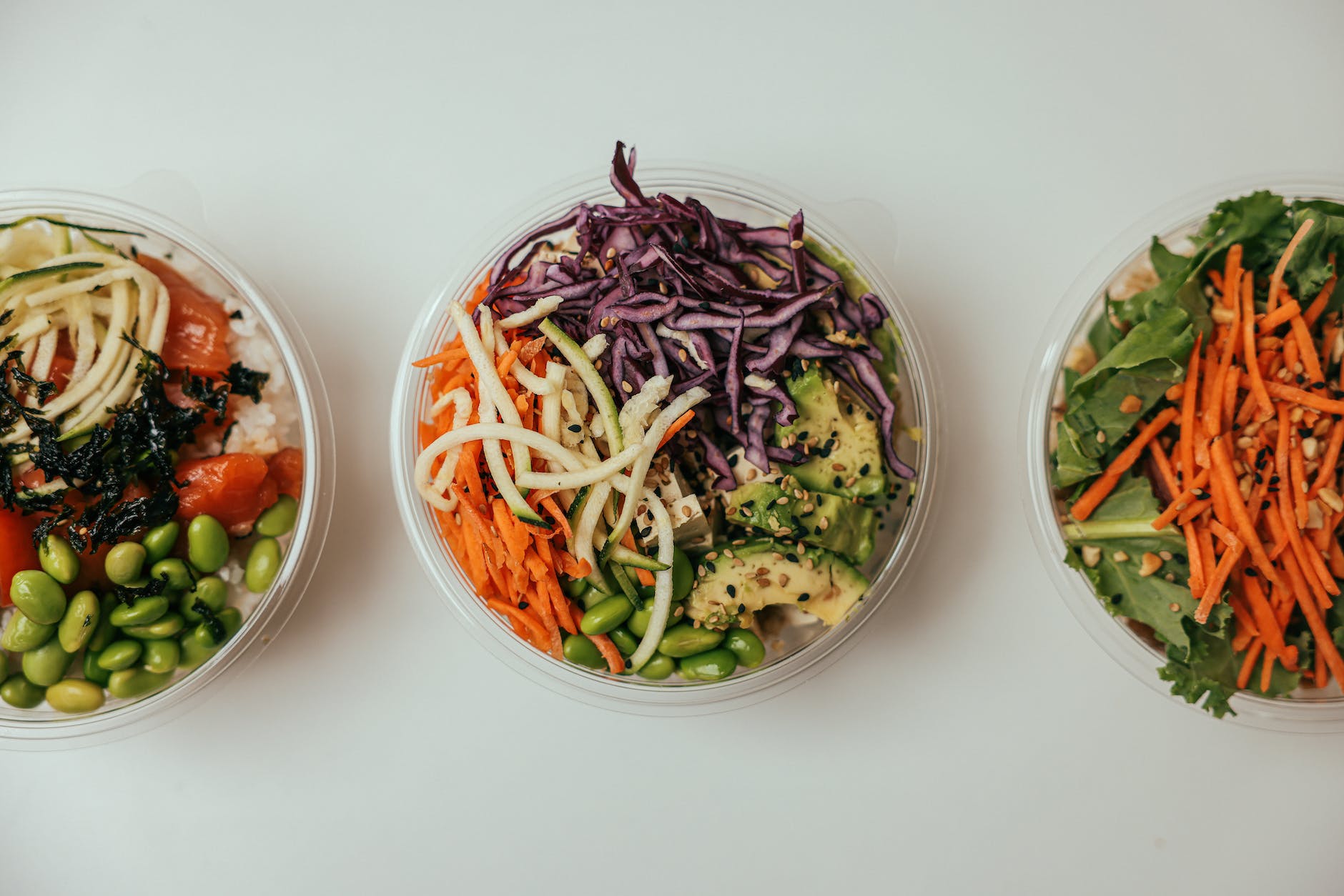
Have you ever heard of it before? Nitric Oxide (NO) is produced from nitrates that naturally occur in foods such as dark green leafy vegetables and beetroot. These dark, rich coloured foods can support implantation as they increase blood flow and nutrient delivery to the endometrium (8).
Other foods rich in nitrates include spinach, radishes, lettuce, celery and mushrooms (9).
Bromelain
The humble pineapple has been in the spotlight lately as a fertility boosting food due to the enzyme ‘bromelain’ that is found in its core.
There is little scientific evidence to suggest that bromelain increases implantation rates, however, it has been shown to have anti-inflammatory and blood thinning properties that may be beneficial for implantation (10).
So, should I be eating pineapple?
There’s no harm in including pineapple in your diet if it’s something you enjoy! Pineapples are packed with fibre and other nutrients that are great for general health and wellbeing. But since the evidence isn’t super strong about its role in implantation, it might not be something to bank on as a fertility hack.
Supplements
So we’ve spoken a lot about food, and now you may be wondering if you should be taking supplements?
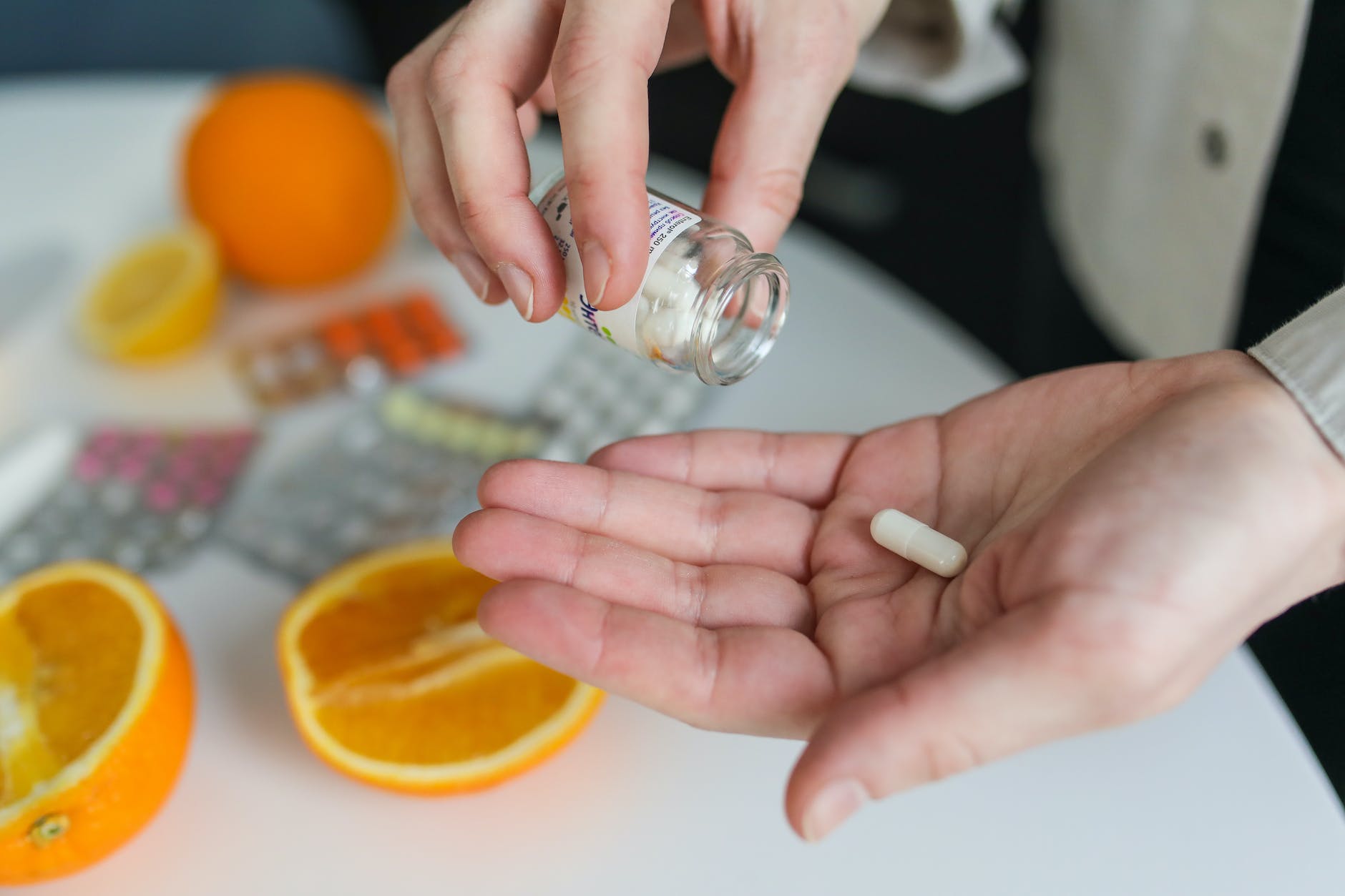
There are lots of different supplements on the market, and it can be super overwhelming to know what’s best to take, how much, or if you even really need them!
The good news is, we can help you figure out a tailored supplement plan based on your individual needs!
Remember, this is just one of the factors to consider in your journey to grow your family. Focusing on these things can really enhance your nutrition to improve the likelihood of falling pregnant, and give you something to focus on during the two week wait!
Are you wanting more help to fall pregnant and have a healthier pregnancy? Book in with our expert fertility and pregnancy dietitians here.

 Hello Nutrition
One thought on “ Supporting your fertility: 5 key nutrients to focus on during the two week wait”