

Alessandra Rigoli, Certified Fertility Dietitian
If you’re struggling with infertility, you’d be willing to try almost anything to help you fall pregnant. And in the world of infertility, gluten-free diets are often thrown around. Gluten has gotten a bad rap in recent years and we have seen a huge growth in the gluten free “trend”. But will going gluten free help with your fertility? And what is gluten anyway?
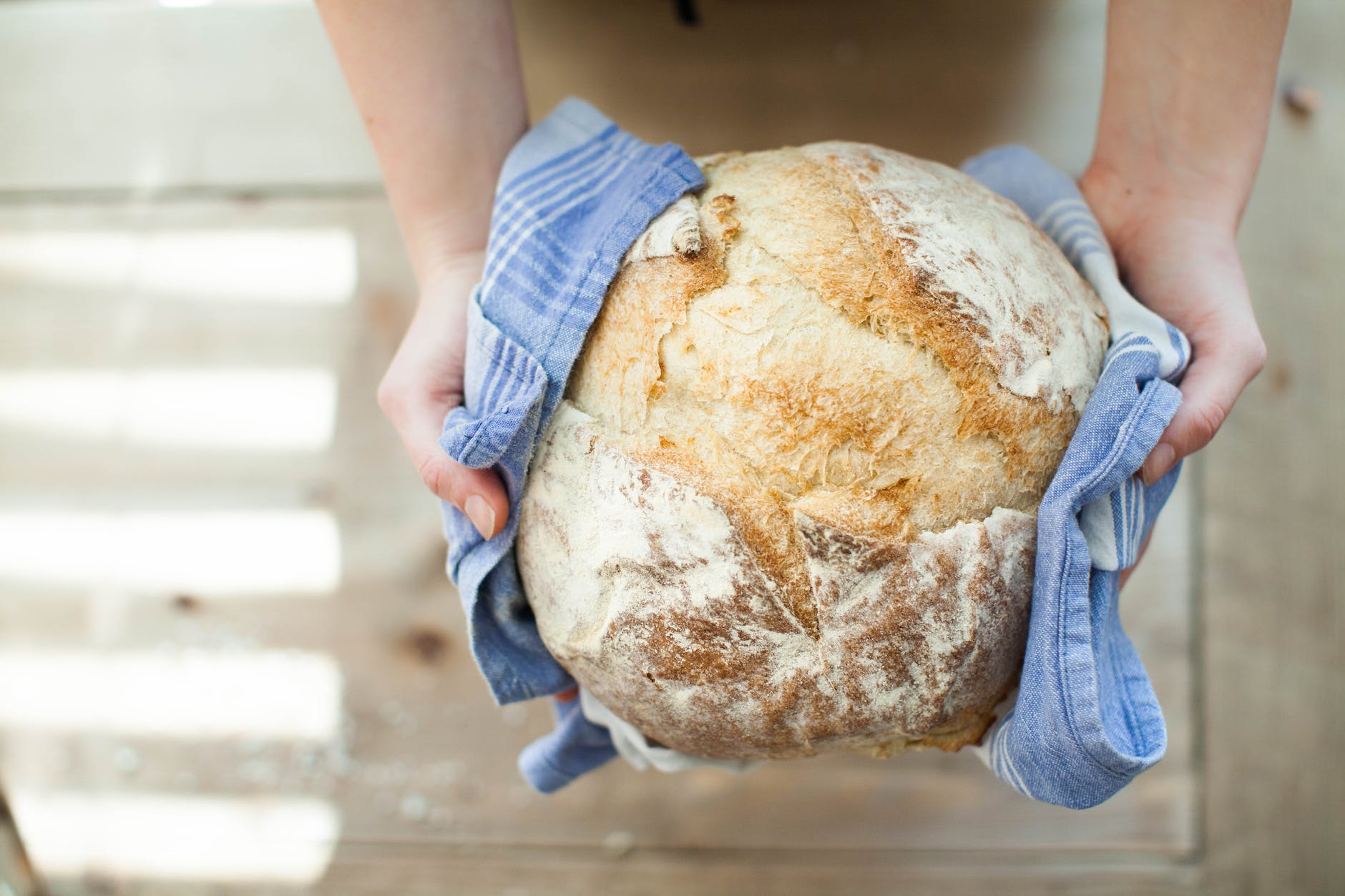
If you’ve ever eaten gluten free bread, you’ll find that it’s pretty fragile and crumbles super easily. That’s because gluten helps to hold everything together and gives foods like bread its elasticity. Gluten is the protein found in grains such as wheat, barley and rye.
For most people, gluten causes no problems and should be part of a healthy balanced diet. But for people with coeliac disease, going gluten free is by no means “trendy;” it’s the top (gold standard) treatment for this condition.
Coeliac disease (especially if it’s undiagnosed) can impact on fertility. How, you ask? Let’s dive in and find out.
What is Coeliac Disease?
Coeliac disease is an autoimmune condition where eating gluten causes an immune response that results in damage to the small intestine. This damage affects how well nutrients from food can be absorbed in the gut and can lead to a number of nutritional deficiencies such as iron deficiency anaemia.
If you have coeliac disease and you eat gluten, you may experience symptoms ranging from bloating, diarrhoea, constipation, wind, fatigue, nausea and/or vomiting, cramping or a skin rash known as dermatitis herpetiformis. Others don’t experience any physical symptoms at all (1).
How does Coeliac Disease affect Fertility?
As we have seen, the damage that happens in the small intestine can limit nutrients from being absorbed in the gut. Many of these nutrients are needed for conception and so, without them, these processes can’t happen successfully. Gluten also causes an immune reaction in people with coeliac disease, which interferes with implantation (what you’re waiting for during the two week wait) and development of the placenta.
The good news is that women who have been diagnosed with coeliac disease do not have a higher risk of fertility problems compared to women without coeliac disease, especially if following a gluten free diet. Fertility problems occur when there is active coeliac disease (i.e. eating gluten), however, treatment with a gluten free diet can optimise fertility.
I’m not sure if I have coeliac disease, what do I need to do?
Undiagnosed coeliac disease can increase infertility. If you have undiagnosed coeliac disease, you could be 9 times as likely to suffer from infertility and the related risks of miscarriage (2).
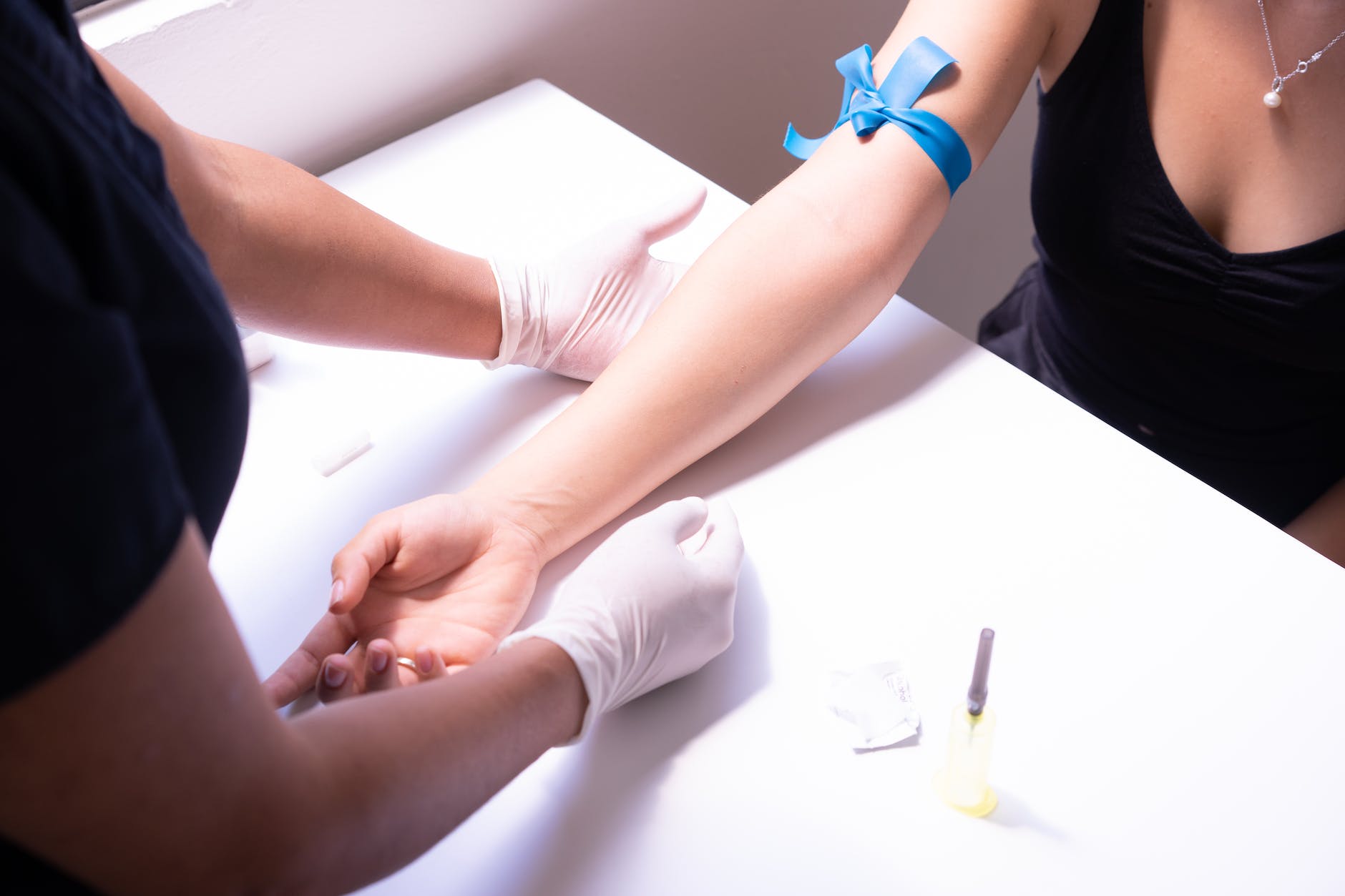
If you struggle with infertility and haven’t been tested for coeliac disease, please go get tested. There are certain things you will need to do for this test, to ensure the test is accurate, so it’s best to consult with your fertility dietitian.
It’s important because undiagnosed coeliac disease is still a factor contributing to rates of unexplained infertility, miscarriage and other menstrual and pregnancy problems in women who haven’t been diagnosed (3).
So if I have Coeliac Disease, what can I do for a successful pregnancy?
Here are our top 3 tips for managing coeliac disease to optimise fertility:
- Follow a strict Gluten-Free Diet
A gluten free diet is the number one treatment for coeliac disease. If there is no gluten introduced to the system, then there will be no immune response and therefore no damage to the small intestine. If you have recently been diagnosed, it may take some time for your gut to heal while following a gluten free diet. How long it will take will vary from person to person and research suggests it may take between 6 months to 2 years (4).
A gluten free diet includes:
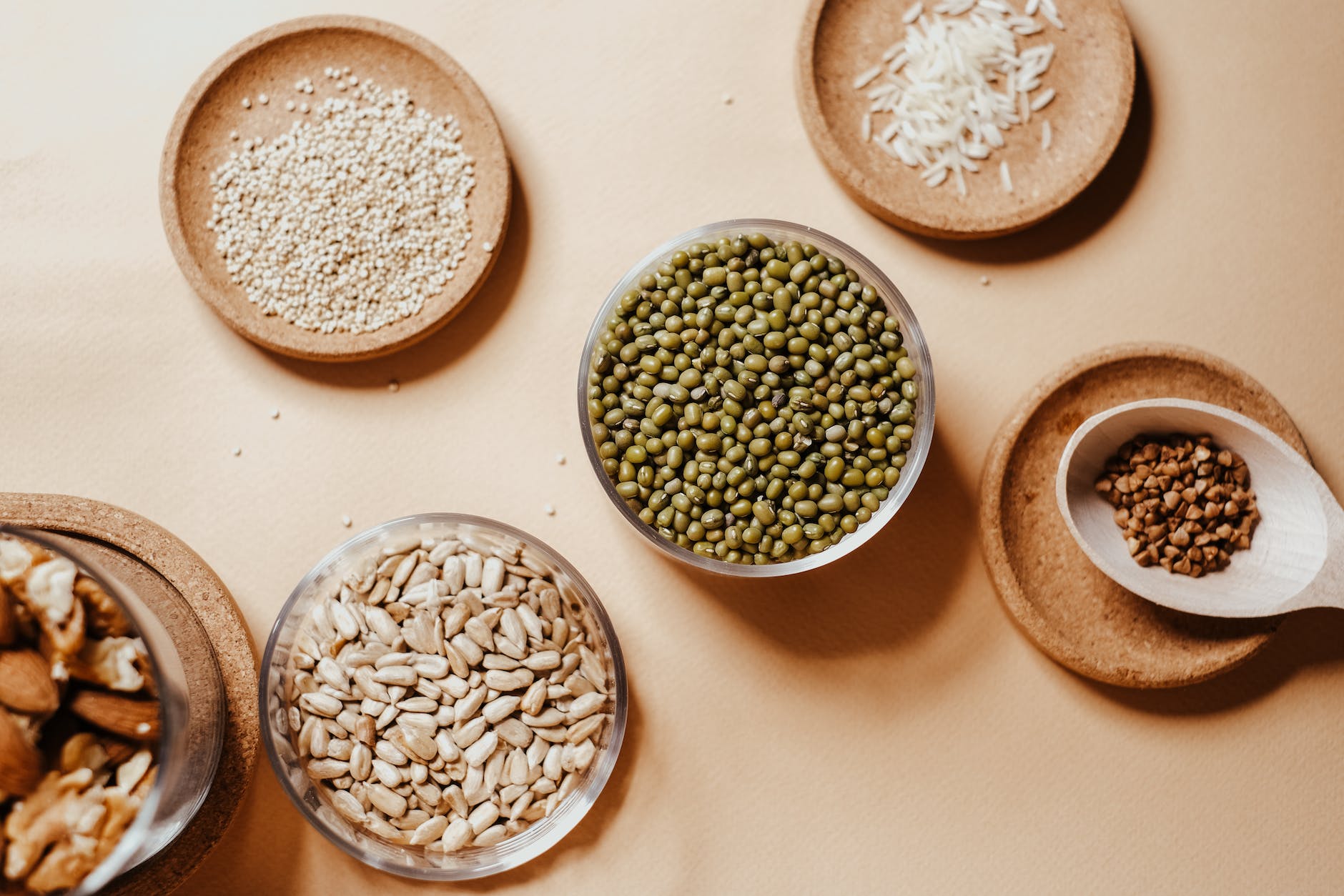
- Grains: Rice, corn, buckwheat, quinoa, amaranth
- Fruits and Vegetables
- Legumes and beans
- Nuts and seeds
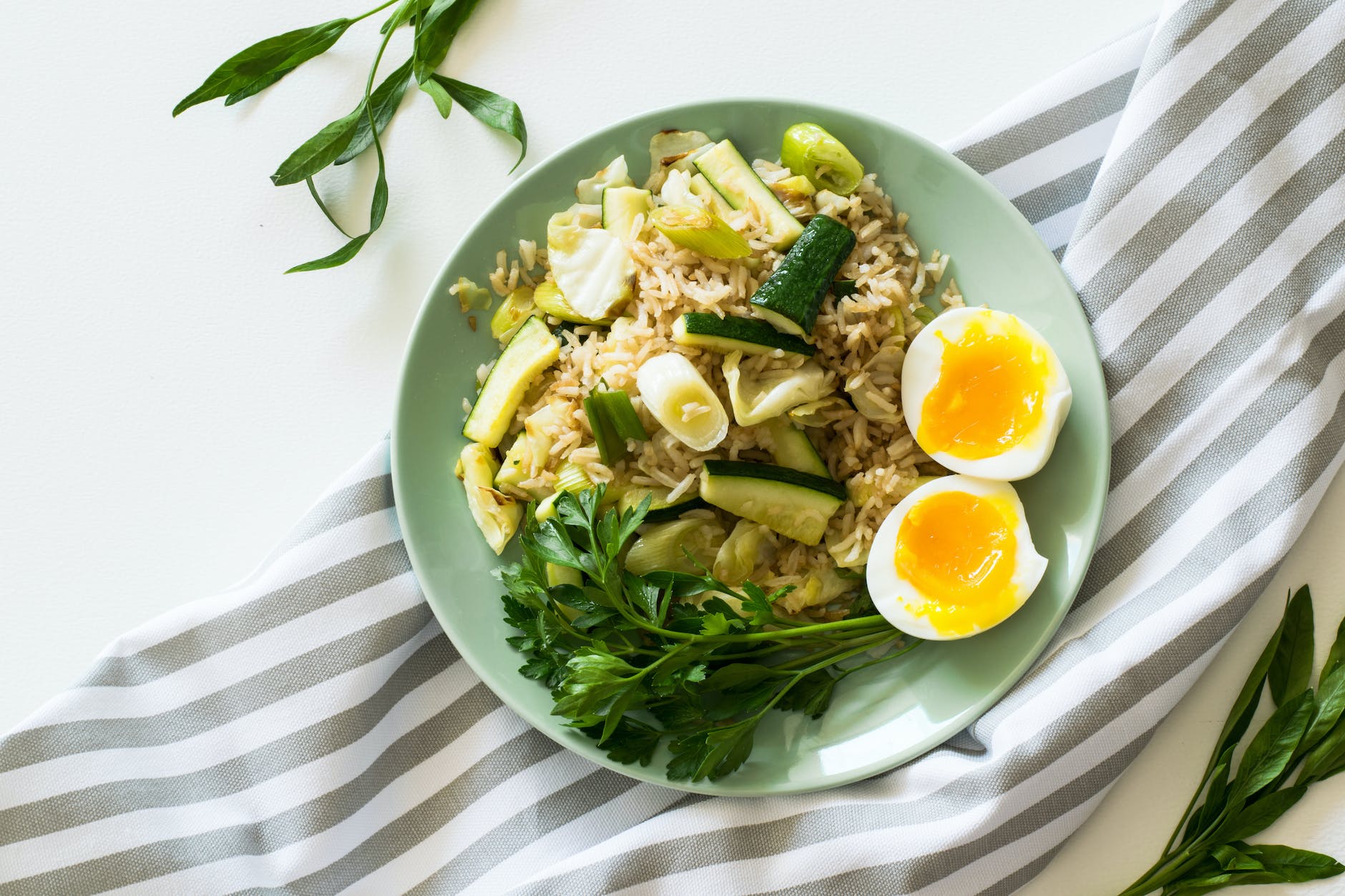
- Lean meat, poultry, fish and eggs
- Food products labelled “gluten free” or endorsed by Coeliac Australia.
People with coeliac disease should avoid:
- Gluten containing grains: wheat, barley, rye, oats.
- Products that have “may contain gluten” statements.
There are also other factors to consider when going gluten free, such as looking out for cross-contamination. Trace amounts of gluten can be harmful to people with coeliac disease, so minimising the risk of contamination is important!
- Get on top of any nutrient deficiencies
Nutrient deficiencies can happen in people with coeliac disease, as the lining of the gut becomes damaged. This means that we can’t absorb the nutrients we need from the food we eat. Common nutrients of concern in coeliac disease include iron, calcium, vitamin D, folate, vitamin B12, magnesium and other B vitamins (5).
These nutrients are especially important for fertility, as they play a role in the critical processes that allow for conception to happen.
If you have been recently diagnosed with coeliac disease and are wanting to start trying for a baby, it’s important to ensure your nutrient status is optimised for a successful pregnancy. Working with your healthcare team, including your GP and fertility dietitian, can help to monitor your nutrient status through blood work and develop a tailored plan to correct any identified deficiencies to help prepare you for pregnancy!
- Work with a Fertility Dietitian!
Getting diagnosed with coeliac disease can be stressful and overwhelming, added on top of the stress of trying to fall pregnant.
A dietitian can help to support and guide you through your diagnosis as you navigate this huge lifestyle change. From diagnosis, to treatment with a gluten-free diet, to falling pregnant, we can support you every step of the way.
Did you know our certified fertility dietitian Alessandra Rigoli has a special interest in coeliac disease and gluten free diets? Whether you’ve been told you need to go gluten free for fertility, to manage your PCOS or coeliac disease, Alessandra can guide you through the process.
So, do I need to cut out gluten for my fertility?
Unless you have been diagnosed with coeliac disease, there is no reason to cut gluten out of your diet. However, if you are experiencing unexplained infertility, or suspect gluten may be causing some troubles for you, then it would be worth investigating with your medical team and dietitian. It’s important not to cut gluten out before testing though, as this can affect results.
Being diagnosed with coeliac disease can be confusing and overwhelming, but it doesn’t have to be. Working closely with your dietitian can help to reduce the anxiety and fear of being “glutened” by learning about how to safely follow a gluten free diet, which is crucial if you are TTC.
Are you wanting to fall pregnant with coeliac disease and don’t know where to start? Book in to see our expert fertility dietitians who can support you on your fertility journey.

 Hello Nutrition