

By Alessandra Rigoli, APD and Lana Hirth, APD
You’re preparing for your next baby.
Are you thinking about how to improve your fertility and get your body ready for another pregnancy?
We know there’s a lot of information out there to sift through. In this handy guide, we’ve taken the guesswork out of it to answer your burning questions and figure out what really matters when it comes to food for fertility.
How can I optimise my fertility in the pre-conception phase?
The pre-conception phase is the 2-3 months before becoming pregnant. There are many considerations in this phase, as it can influence the chances of conceiving, as well as your pregnancy outcomes.
While there’s a lot to juggle, many women of reproductive age are not always nutritionally prepared for pregnancy. This can have negative effects on fertility, pregnancy and the health of both mother and child. The World Health Organisation estimates that around 2 billion people worldwide have micronutrient deficiencies, 96% of women in the UK between 18-25 years old had folate and iron intakes below what is recommended for pregnancy and 77% were below the recommendations for iodine – all essential nutrients for fertility and healthy pregnancies (1). The good news is that micronutrient deficiencies can be easily addressed through what you eat and what supplements you take.
It takes up to 3 months to see the effects of diet and lifestyle changes, so implementing changes early will positively influence your fertility and pregnancy.

How nutrition can make a difference when preparing for your next baby
Folate
Folate is an essential nutrient during the preconception phase as it plays a role in the formation of the neural tube. Several studies have shown that supplementation with folic acid in the preconception period can reduce the risk of neural tube defects by up to 70%, and have also shown links to reduced risks of pregnancy complications including pre-eclampsia and miscarriage, as well as pregnancy outcomes including low birth weight, stillbirth and neonatal mortality (1).
In Australia, it is mandatory for our bread to be fortified with folate (which means it is required to be added), and it is also added to some breakfast cereals (2). Foods naturally rich in folate include legumes, beans, and dark leafy greens such as spinach. Adding these to your diet is a simple way to ensure you’re getting enough of this nifty nutrient.
Iron
Iron deficiency anaemia is one of the most common deficiencies in the world, affecting 30-50% of women who are pregnant (1). It’s crucial to address this before conception, as deficiencies in iron can impact baby’s brain development and your energy levels during pregnancy and postpartum.
Consuming rich sources of iron like red meat, legumes and beans, wholegrains and spinach can be effective in preventing iron deficiency. If you are currently deficient in iron, however, it’s best to develop a management plan with your doctor and dietitian as food alone will not be able to correct your iron deficiency.
Healthy Weight
Being above a healthy weight can be a barrier to fertility, and is linked to pregnancy complications including pre-eclampsia, gestational diabetes, low birth weight, stillbirth and macrosomia. Now, it is important to note that weight is only one factor and there are many things to consider when it comes to fertility and pregnancy outcomes.
Excess body fat can impact fertility as it produces oestrogen that interferes with regular ovulation. In men, excess body fat can affect sperm quality and quantity, and is linked to a higher risk of the child developing a chronic disease in their life.
To improve pregnancy outcomes, losing 10% of your body weight before conceiving has been shown to reduce the risk of pre-eclampsia, gestational diabetes, macrosomia, stillbirth and preterm delivery (1). Modest weight loss has also been shown to promote fertility by regulating menstrual cycles, and it has been associated with a greater chance of pregnancy after assisted reproduction treatments (3). If you would like to pursue weight loss before trying to conceive, it’s important to work with a dietitian to guide you with a healthy and sustainable approach to weight loss, tailored specifically for you.

Optimising Egg and Sperm Health
It takes two to make a baby. Both future mum and dad need to consider egg and sperm health. This influences pregnancy outcomes and of your baby in their lifetime.
Avoiding oxidative stress is one way to improve egg and sperm health. This stress comes from different sources, including the environment, smoking, alcohol, obesity, psychological stress and ageing. Exposure can damage the DNA in egg and sperm and lead to difficulties in conceiving.
Some ways to reduce oxidative stress include:
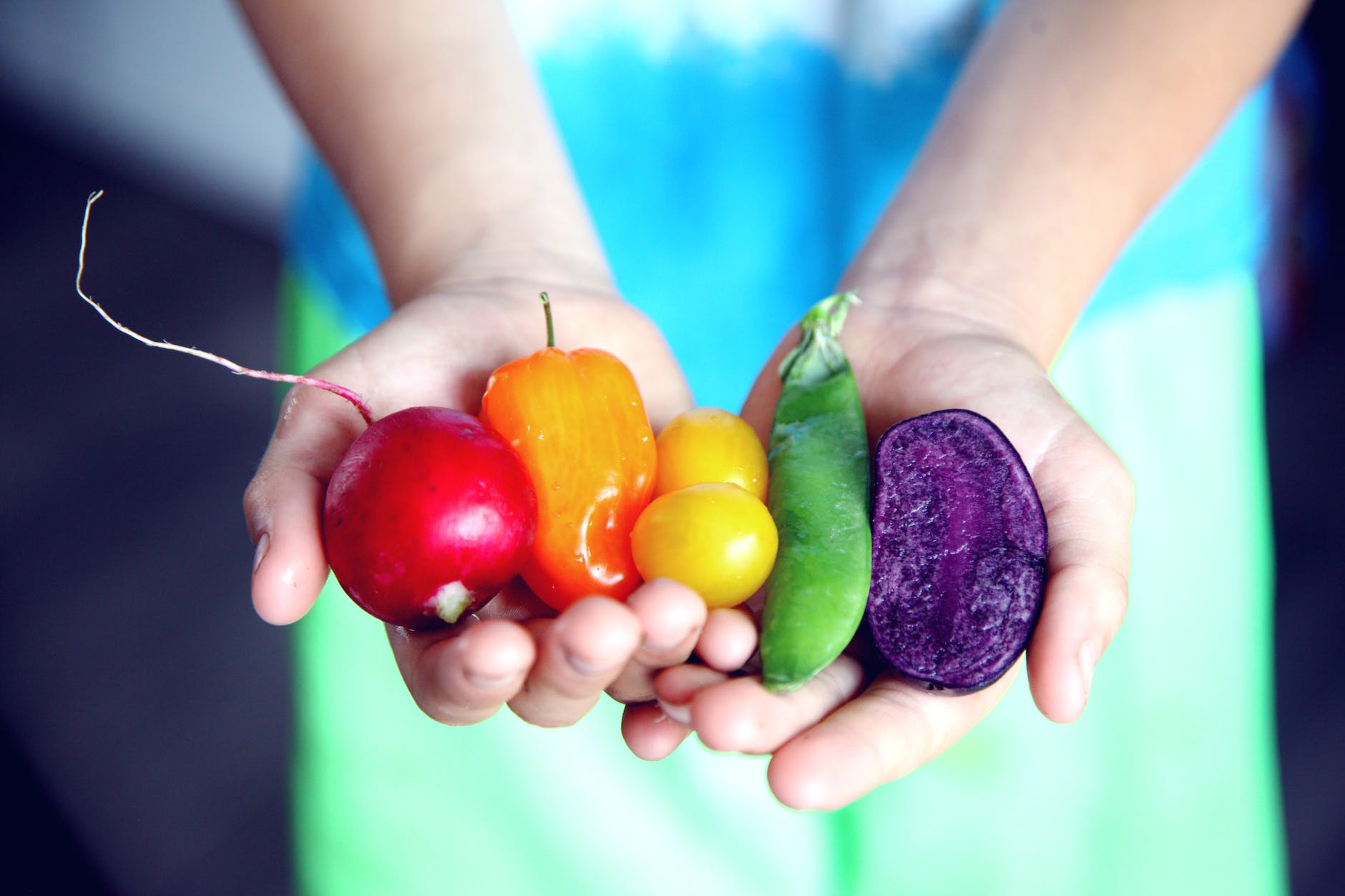
- Eat the rainbow – It’s a simple way to increase your antioxidants, like vitamin C and E, in your meals. A helpful guide is to include 3 different coloured fruits and/or vegetables on your plate at each meal.
- Omega-3 fatty acids also have anti-inflammatory properties that are protective and can improve egg and sperm quality. Including 2 to 3 serves of oily fish including salmon, mackerel, herring and sardines per week can improve egg and sperm health in preparation for conception.
- Vitamin D regulates ovarian function and supports egg development for healthy ovulation. It also protects egg health by reducing damage to the cells. While you can get a little vitamin D from eggs and mushrooms, the best way to get enough vitamin D is from sunlight. If you are deficient, you’ll need to discuss with your doctor and fertility dietitian a supplementation that’s best for you and your fertility goals.
Looking to have more energy postpartum? Download our New Mums Nutrition Checklist today to feel better.
Considerations for PCOS and Endometriosis
If you have been diagnosed with PCOS or Endometriosis, there are a range of dietary strategies you can put in place to help manage these conditions for a successful pregnancy.
PCOS
If you’ve been diagnosed with PCOS, you may also experience insulin resistance as it occurs 65-95% of the time with PCOS (4). This is where insulin, the hormone that controls our blood sugar levels, doesn’t work as effectively and so, more is needed to keep our blood sugars stable.
Low GI (glycemic index) carbohydrate foods release the sugars into the blood slower and over a longer period of time, therefore helping to keep blood sugar levels steady. These include whole grain breads, wheat pasta and long grain rice such as basmati, to name a few. Including more of these foods in your diet can help to manage insulin resistance that’s common in PCOS and support sustained energy levels throughout the day.
Supplementing with inositol, may also be an effective management tool for insulin resistance in PCOS and has also been shown to reduce the risk of gestational diabetes. As always, it’s best to chat with your doctor and dietitian before starting on any new supplements and to find the dose that will be best for your situation.
Endometriosis
Did you know new research highlights that anti-inflammatory foods can help with pain management and the inflammation that comes with endometriosis? (5)
- Include foods rich in omega-3 fatty acids, such as oily fish like salmon, to reduce inflammation levels
- Add more antioxidants, found in fruits and vegetables, to assist with pain management due to their anti-inflammatory properties.
- Increase fibre by including whole grains, legumes, fruit, vegetables, nuts and seeds has also been shown to reduce the amount of circulating oestrogen, therefore, reducing inflammation.
- Check your Vitamin D levels. Supplementation may also be beneficial, as a link has been established between low vitamin D levels and an increased risk of endometriosis and severity of symptoms (5). Chat with your doctor and dietitian about this to determine what the right dosage is for you.

Pregnancy Spacing
How long should you wait after having a baby to try for the next one? Recent evidence suggests waiting at least 12 months after giving birth before conceiving again, but ideally 18 months. The RACGP recommends a space between 2 to 5 years between pregnancies to reduce the risk of adverse pregnancy outcomes (6).
Whether you’ve gotten your period back yet, whether you’re breastfeeding, your fertility history, and pregnancy health – there are many considerations to when you’re going to start trying to conceive.
While this isn’t always in our control or you want closer pregnancies, then it is crucial to be on top of your nutrition as this will not only impact your chances of conceiving, but your health and energy levels during pregnancy and postpartum.
When do I see a Fertility and Pregnancy Dietitian?
It’s never too early (or late!) to start working with a dietitian to help prepare for your next baby. Ideally, working together at least 3 months before can help to address deficiencies and optimise your diet for fertility. Remember, it takes about 3 months for dietary changes to take effect!
If you’ve had a baby, and are planning on trying for your next baby, this is the perfect time to boost your nutrition and book in with an expert fertility and pregnancy dietitian.
Book your appointment today with our Hello Nutrition dietitians to enhance your nutrition for fertility and pregnancy.
Have questions about which dietitian is right for you? Read more about the team of dietitians at Hello Nutrition.

 Hello Nutrition