Are you thinking about how to improve your fertility and get your body ready for another pregnancy?
We know there’s a lot of information out there to sift through. In this handy guide, we’ve taken the guesswork out of it to answer your burning questions and figure out what really matters when it comes to food for fertility.
If you’re struggling with infertility, you’d be willing to try almost anything to help you fall pregnant. And in the world of infertility, gluten-free diets are often thrown around. Gluten has gotten a bad rap in recent years and we have seen a huge growth in the gluten free “trend”. But will going gluten free help with your fertility? And what is gluten anyway?
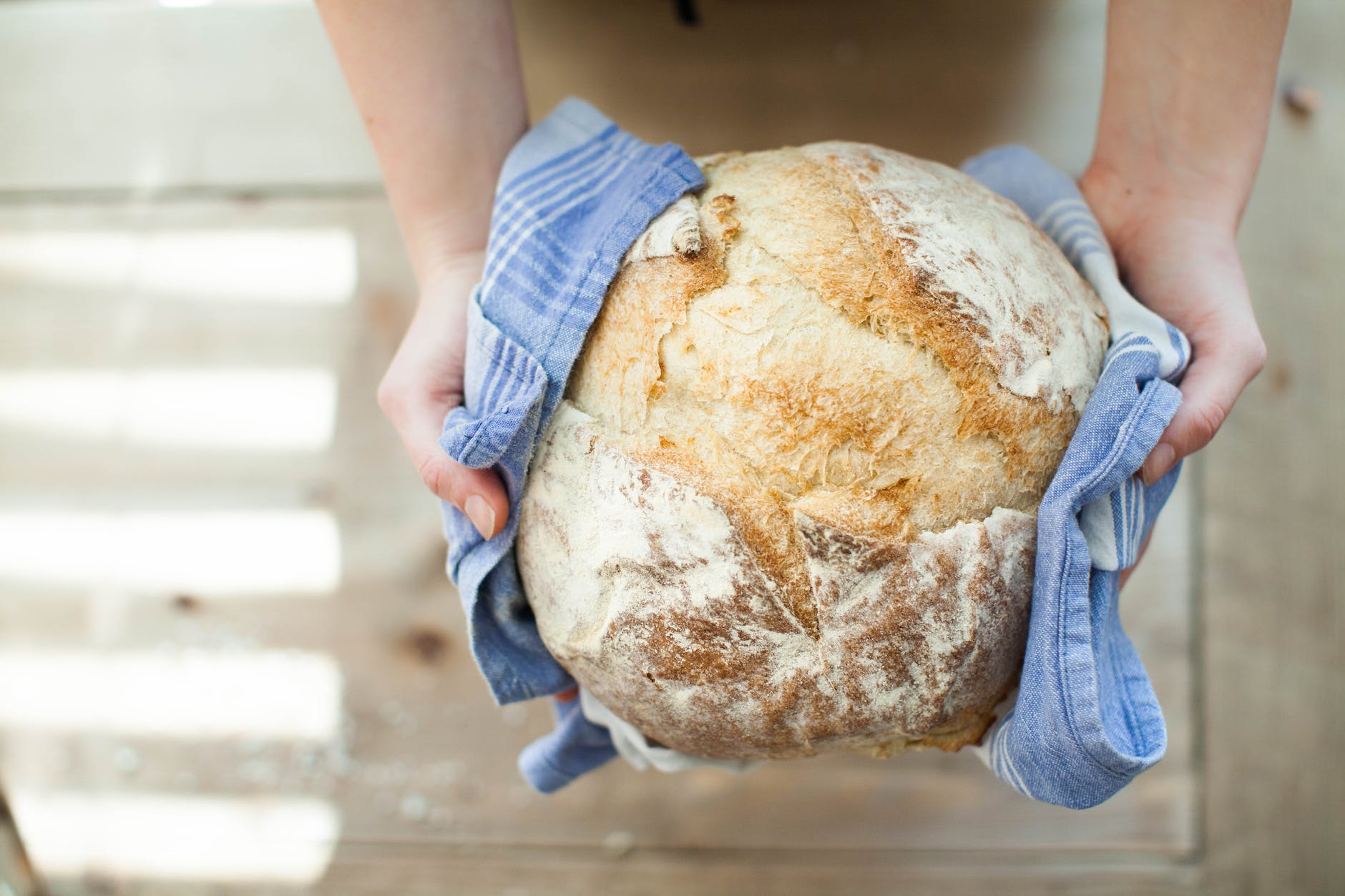
If you’ve ever eaten gluten free bread, you’ll find that it’s pretty fragile and crumbles super easily. That’s because gluten helps to hold everything together and gives foods like bread its elasticity. Gluten is the protein found in grains such as wheat, barley and rye.
For most people, gluten causes no problems and should be part of a healthy balanced diet. But for people with coeliac disease, going gluten free is by no means “trendy;” it’s the top (gold standard) treatment for this condition.
Coeliac disease (especially if it’s undiagnosed) can impact on fertility. How, you ask? Let’s dive in and find out.
You may be wondering if there is anything you can do to increase your chances of getting pregnant again.
When it comes to falling pregnant, there are many factors that contribute to finally falling pregnant. A regular cycle, confirming you’re ovulating, healthy sperm and healthy eggs are all key.
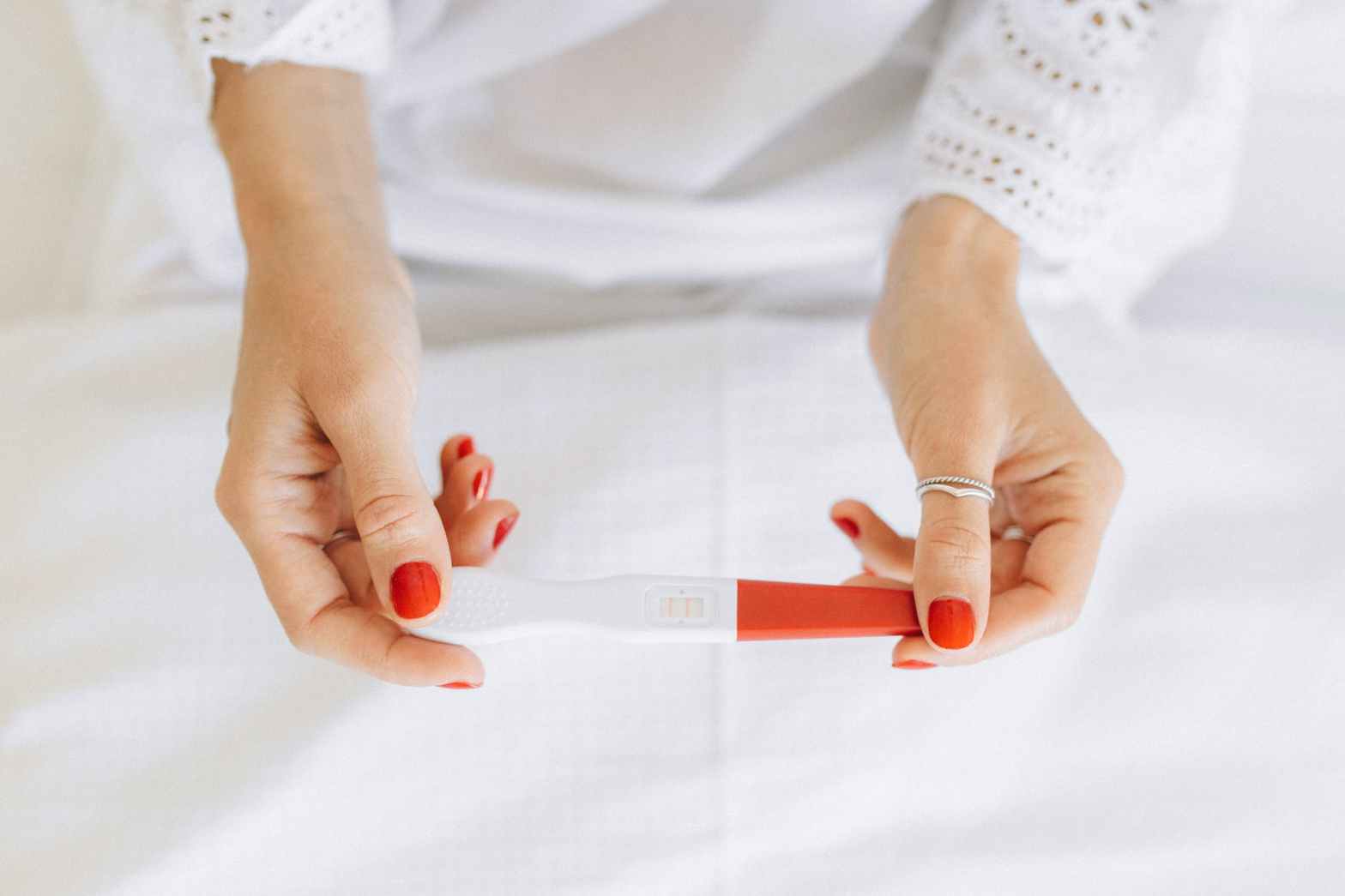
And yes, you’ll also need to think about the two week wait – from the time of natural conception or frozen embryo transfer (FET), until the hCG hormones rise enough to give you that POSITIVE pregnancy test.
This is when implantation happens.
Let’s have a quick recap before we dive into the nutrition side of things.
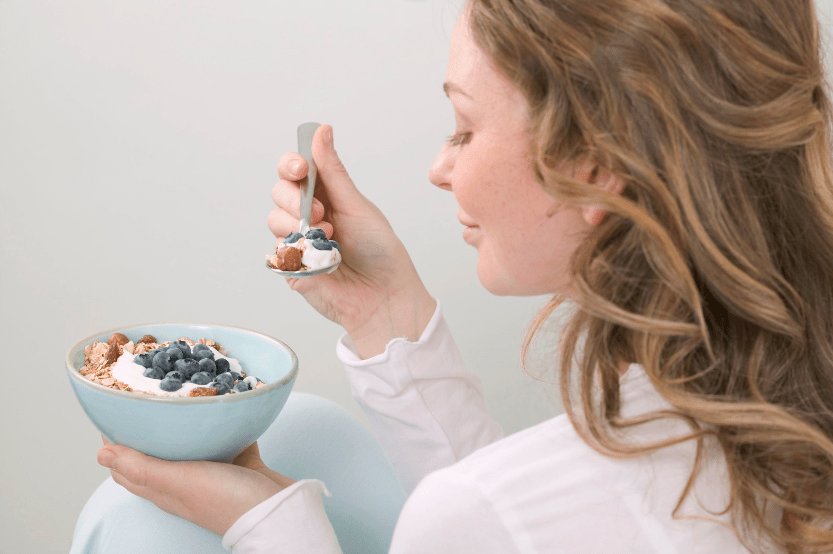
Searching for the perfect homemade muesli? And one that is packed with micronutrients to give you a balanced breakfast for pregnancy or postpartum? This is it.
This muesli is packed full of nutty goodness, from the beta-glucans in the rolled oats and selenium and zinc in the nuts – this muesli will nourish you both during pregnancy and after birth!
Most importantly, it’s delicious! If you’re a fan of cinnamon, you’ll love this.
Following a plant-based diet has been getting increasingly more popular, whether that be anywhere from 100% vegan or vegetarian, to more of a flexitarian approach focusing on eating mostly plant-based foods with some animal products occasionally.
But is a plant-based diet is nutritionally adequate, especially during more crucial stages of life such as pregnancy ? This can often leave pregnant mothers feeling overwhelmed and unsure of their choices to remain plant-based.
Can you have a safe and healthy pregnancy whilst following a plant-based diet?
This blog was co-written by Lana Hirth, Postnatal Dietitian, and Alessandra Rigoli, student dietitian.
Did you have gestational diabetes in your first pregnancy? Are you worried it will come back again for your second?
Women who are diagnosed with gestational diabetes in their first pregnancy are 30-69% more likely (Noctor et al. 2015) to develop it again in their next pregnancy. Whilst this may sound a bit scary – fear not! There are many ways to manage diabetes during and after pregnancy to reduce your risk of developing it again.
This blog was co-written by Lana Hirth, Postnatal Dietitian, and Meher Vatvani, nutritionist and student dietitian.
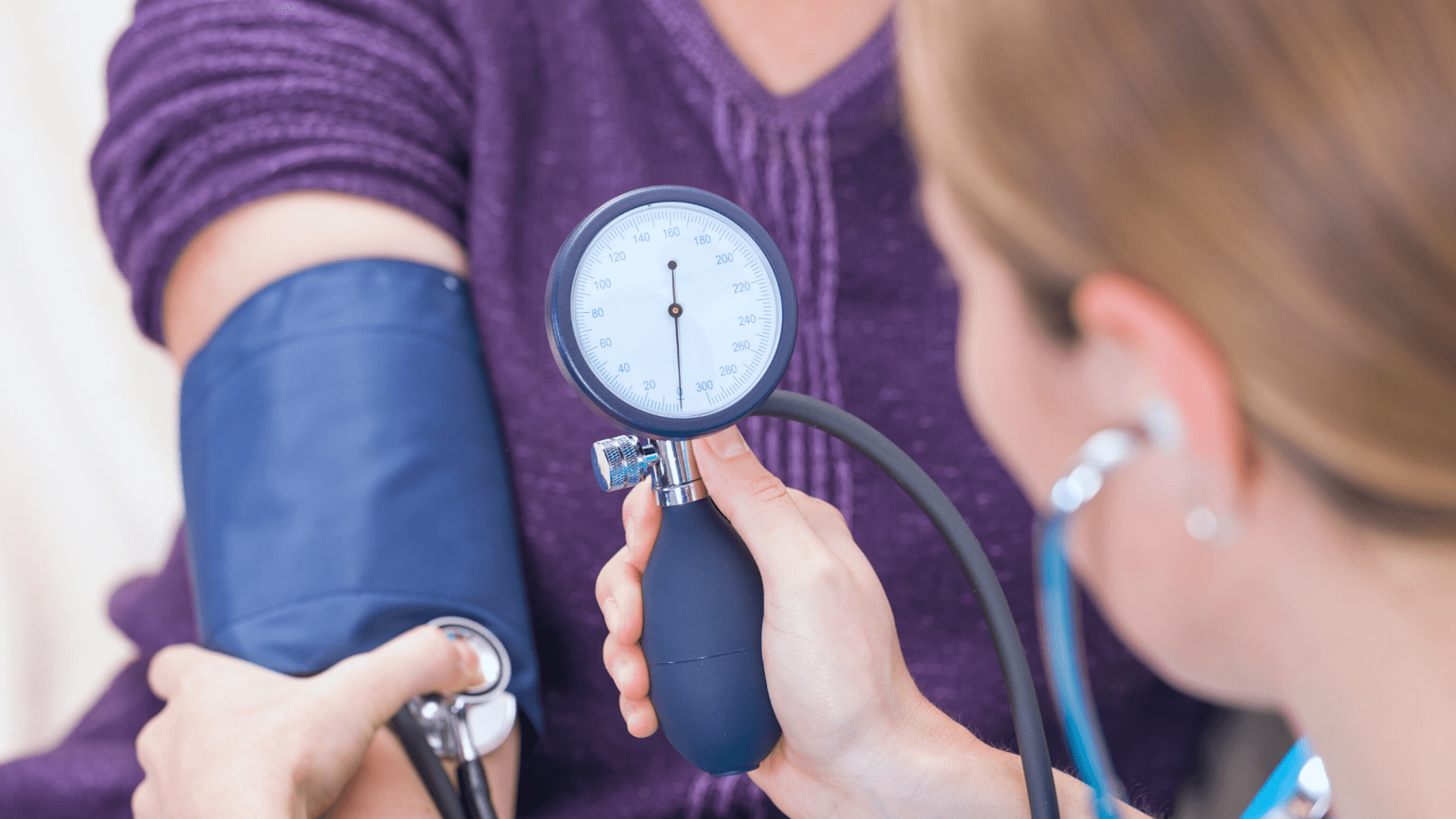
If you have had preeclampsia during your first pregnancy, you may be wondering “Is there anything I can do to reduce my risk of developing preeclampsia for baby #2?”
We’re here for you! This blog post breaks down what preeclampsia is and more importantly, what you can do with your food and the way you eat to reduce your risk of developing preeclampsia.
Finding the truth among the false information and fad diets can be tricky. I’m all about keeping it simple. I asked seven dietitians to share their top tip for healthy eating, and they delivered!
Do you do any of these tips already? Maybe pick one and start making a small change this week. Remember, all it takes is small sustainable changes – that’s what really leads to lifelong habits (no crash diets here!).
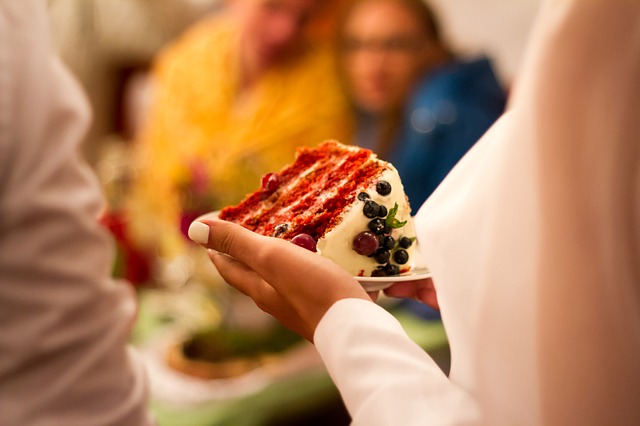
Over 75? Forget counting calories, and make sure you take a second slice of cake!
This probably contradicts what you’ve been taught your whole life—to focus on eating a variety of fruit, veg, dairy, protein and whole grains, and to eat ‘sometimes foods’ sometimes. We know that too many sweets and snacks can be bad for our health over the long term. Is this just another case of health professionals changing their minds? And more importantly, why can grandma have twice as much cake as me?
Let’s compare a newborn baby to a fourteen-year-old boy. Both need to eat to survive, but it would be ridiculous to impose one way of eating upon both of them. Imagine how ridiculous it would be telling a teenage boy to drink six bottles of baby formula a day, and then imagine trying to fit everything a teenage boy eats into a three-week old child’s stomach! Everyone has different dietary requirements—there is no ‘one size fits all’ eating style.
The supermarket aisles are full of bright colours and confusing labels. High protein! Low-carb! Sugar-free!
You could spend hours comparing products, and deciding what’s for dinner. What do you buy? What’s a portion? Do you focus on salt or sugar? Carbs or fat?
It’s exhausting and to be honest, more complicated than what it needs to be.
So to make it easier, here are my favourite pictures and hacks (because who doesn’t love a good picture!).








 Hello Nutrition